Svalbard-Spitsbergen
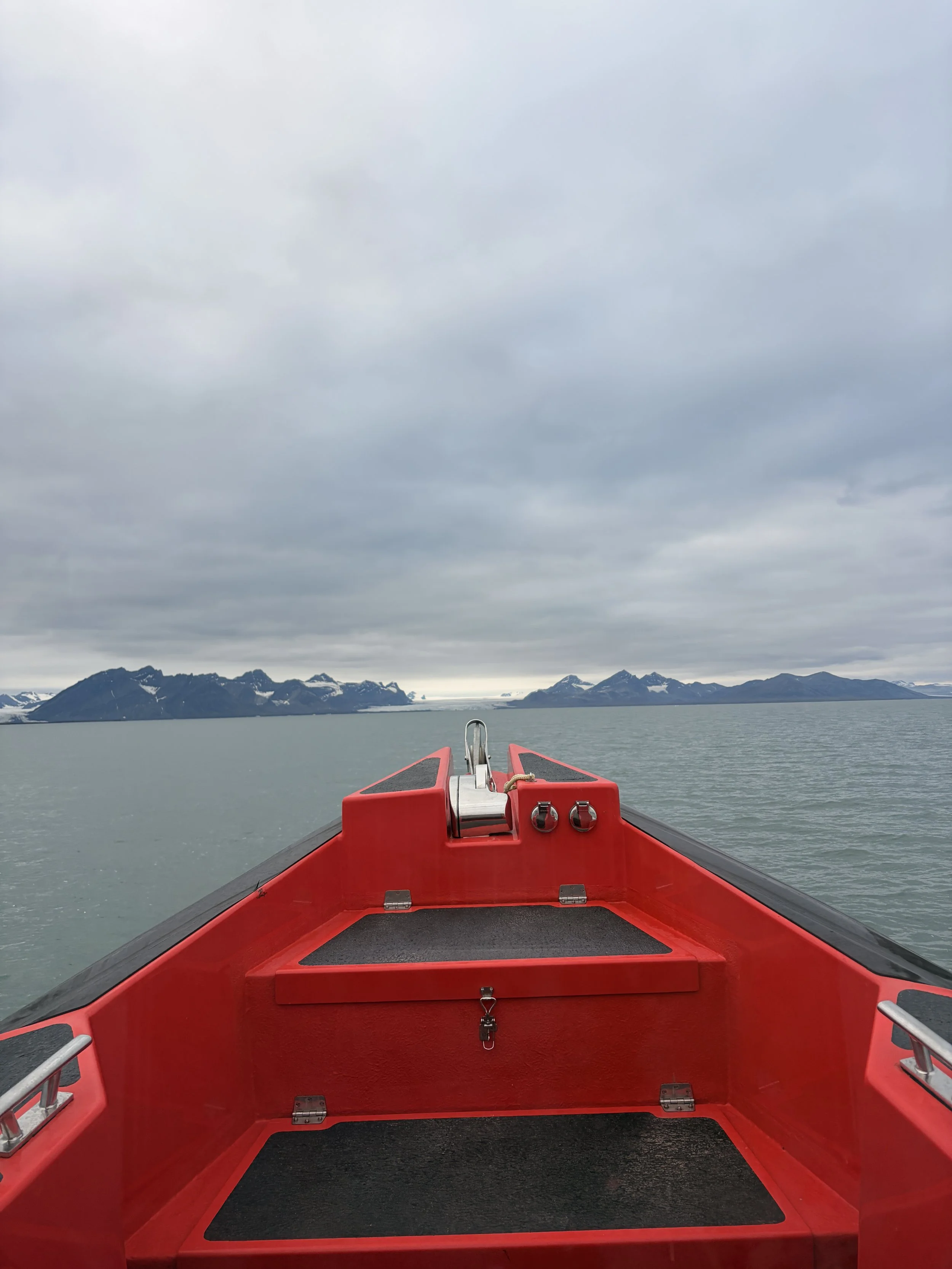
It’s early July. I am standing aboard a 15 meter rigid inflatable boat (RIB), the Arctic wind stinging my face despite four layers of clothing I am wearing. Back home in Germany, my friends are hiding indoors to escape the summer heat. Here, I am doing exactly the opposite.
I have never liked the cold. Yet here I am, surrounded by glaciers and dramatic mountain peaks, scanning the shoreline for wildlife. Will today’s excursion live up to its promise? Perhaps, I will spot a polar bear – or, if I am lucky, at least an Arctic fox.
In this journal entry, I’d like to take you with me to one of the northernmost inhabited places on Earth – somewhere between the North Cape and the North Pole. At the time writing, I am standing at 78°13’N, 15°39’E. The Arctic Circle is far behind me. This is the High Arctic.
Who would have thought that, while most people are spending their summer holidays on warm beaches, I would willingly travel to a place where snow still covers the mountains and the wind cuts through every layer of clothing?
So what makes this place so special that someone who dislikes the cold would choose to come here?
For me, it’s the extraordinary combination of untouched wilderness, fascinating wildlife, and the humbling feeling that we are merely visitors in a landscape that has existed long before us – and will continue long after we are gone.
The light alone is unforgettable. From April until late August, the Midnight Sun never sets, bathing glaciers and mountains in a soft golden glow. During the dark winter months, the Northern Lights dance across the Arctic sky. It’s easy to understand why so many artists, photographers and scientists are drawn to this remarkable place.
Why Svalbard Is Unlike Anywhere Else
Before telling you more about my own experiences, let’s take a closer look at what makes Svalbard such an extraordinary place. Understanding its history, geology and wildlife makes visiting the archipelago even more fascinating.
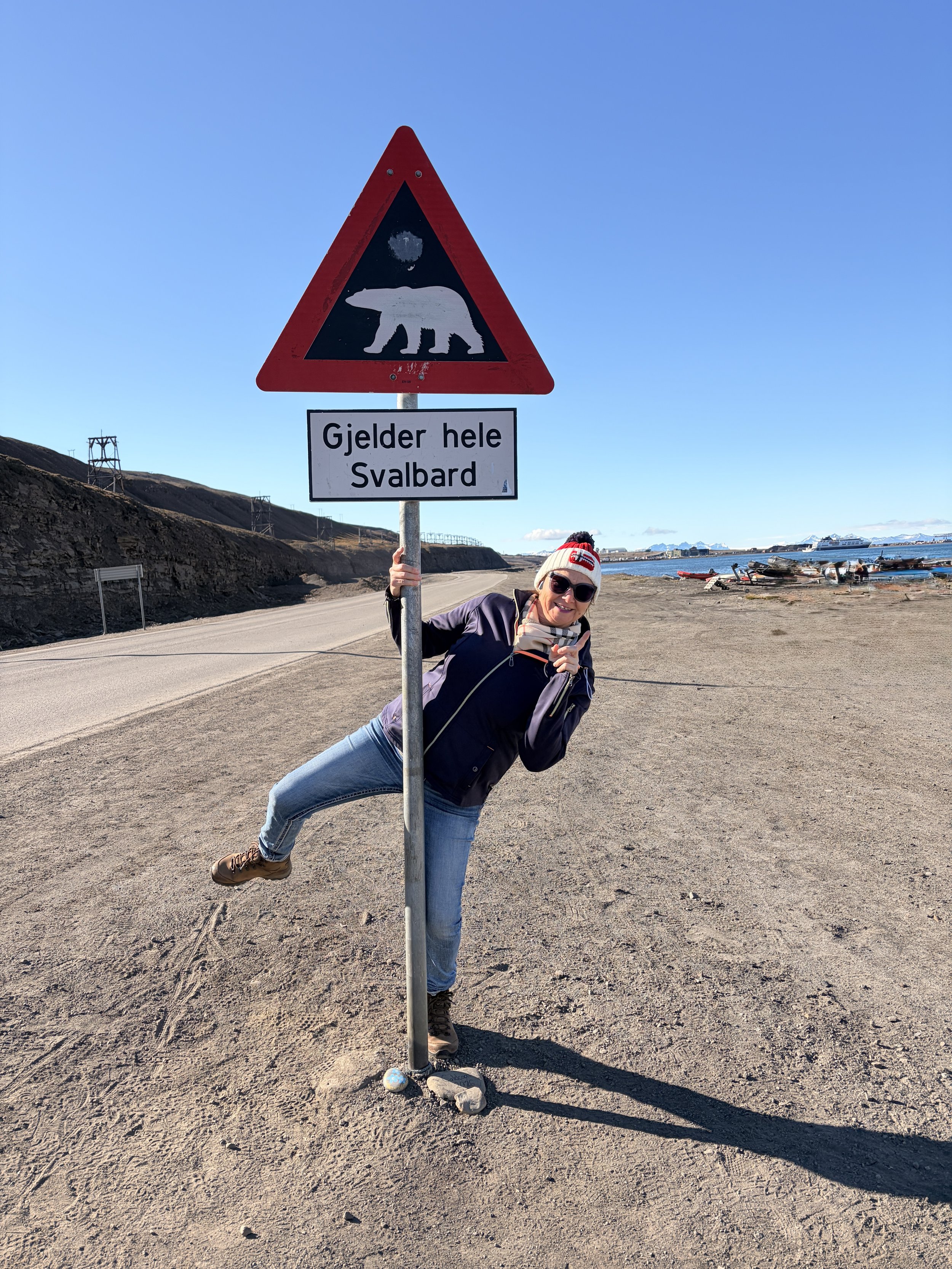
Did you know?
Once you leave Longyearbyen, you are entering polar bear territory. It is strongly recommended not to travel outside the settlement of Longyearbyen without proper safety equipment and experience. Most guided excursions include a trained guide carrying a rifle-not to hunt polar bears, but as a last resort…
Spitsbergen is the largest island of the Svalbard archipelago and, for many travelers, a true once-in-a-lifetime destination.
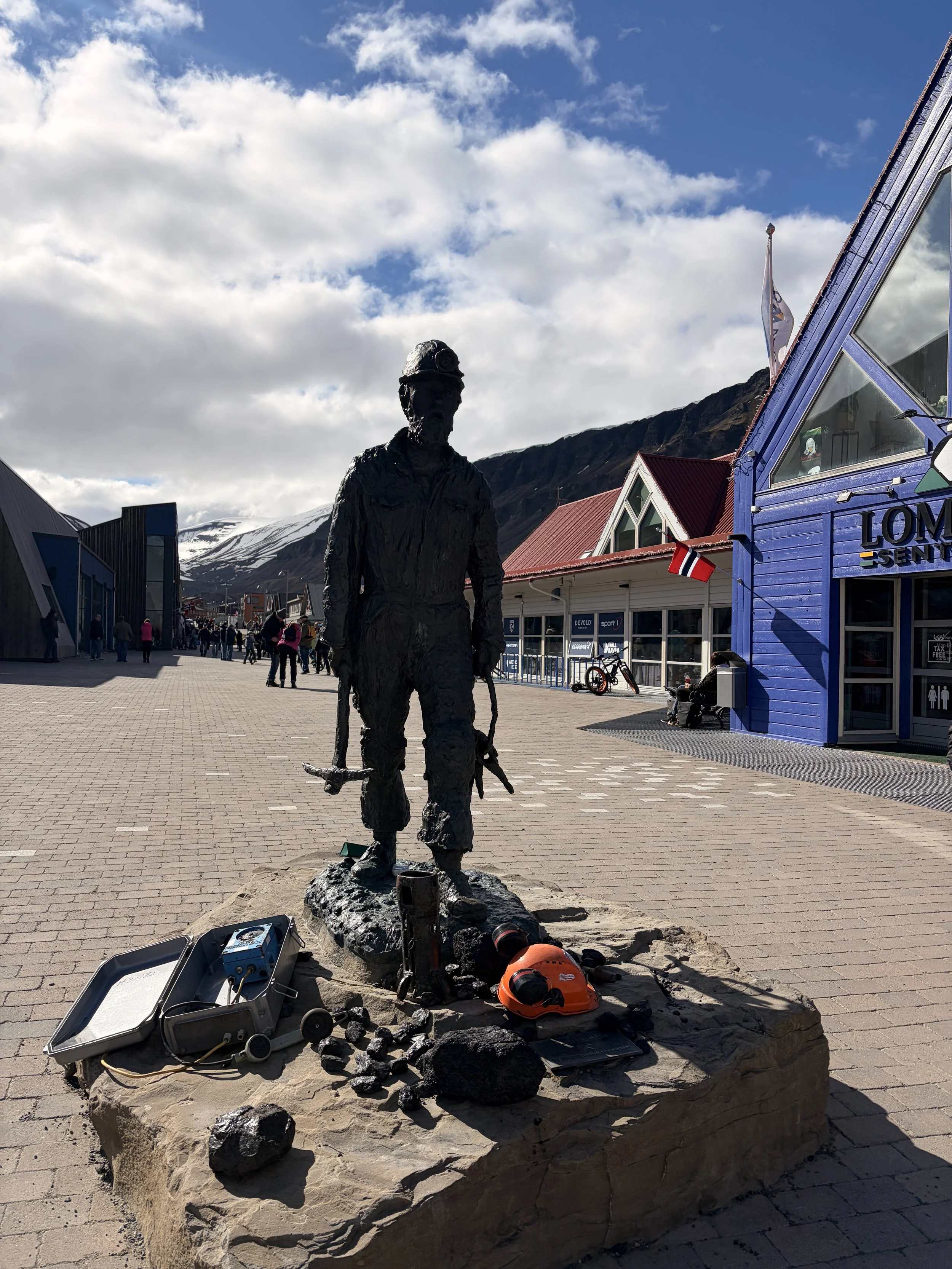
Longyearbyen, the archipelago’s main settlement, still reflects its origins as a coal-mining town. It is not a place that impresses because of its architecture. Quite the opposite. Yet the dramatic mountains surrounding the town and the remarkable colors of the Arctic Ocean more than make up for its rather industrial appearance. As our ship approached the coastline, I noticed a silvery blue-gray shimmer in the water unlike anything I had seen before.
Few places on Earth offer such easy access to the High Arctic. Within just a few hours of leaving civilization behind, you find yourself surrounded by glaciers, towering mountains and vast stretches of untouched wilderness.
The name Svalbard means “the cold coasts”. Although the islands were known to Norse seafarers centuries ago, they entered modern history through the Dutch explorer Willem Barentzs in 1596 before later becoming an important base for Arctic exploration. In the late nineteenth and early twentieth centuries, explorers such as Fridthof Nansen helped to turn Svalbard into the gateway to the polar regions.
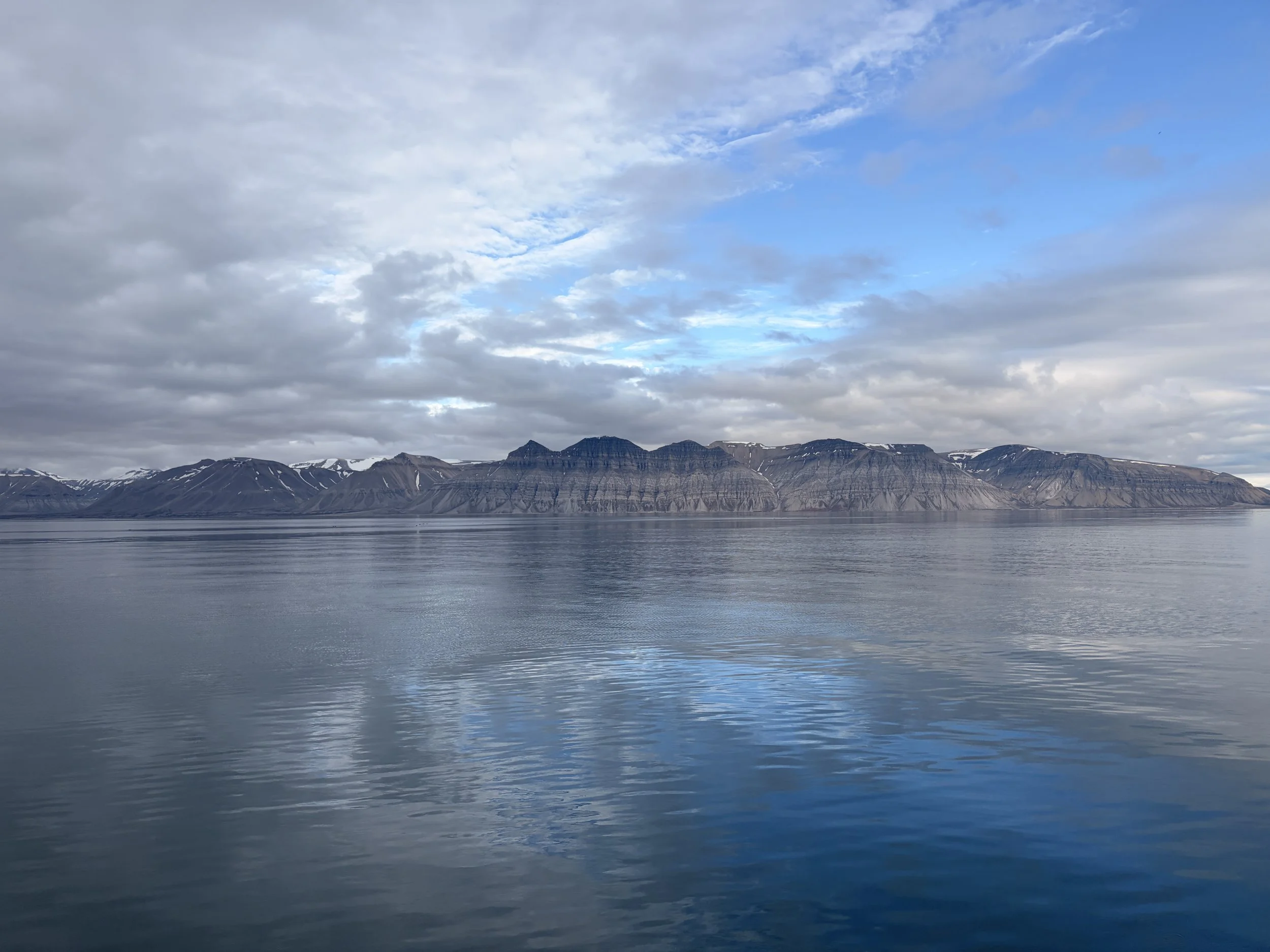
Svalbard’s spectacular landscape is the result of hundreds of millions of years of geological history. Few places in the world reveal Earth’s past as clearly as these mountains. Rocks from almost every geological era can be found here, containing everything from fossils and copper to coal and traces of oil.
Only coal mining proved economically viable on a larger scale. Even today, dark coal seams run horizontally through the mountains around Longyearbyen like layers of filling in a cake – a striking reminder of the town’s industrial past.
Longyearbyen is the largest settlement on Svalbard and one of the northernmost permanently inhabited towns in the world. It was founded by the American entrepreneur John Munro Longyear, whose name the town still bears today.
Standing here, it is almost impossible to imagine that dinosaurs once walked across the landscape. Yet fossils discovered throughout the archipelago tell exactly that story. Long before glaciers shaped today’s mountains, tropical forests and prehistoric reptiles dominated this corner of the world.
Life at the Edge of the World
Life this far North is possible thanks to the unexpected ally: The Gulf Stream. Whilst other places at the same latitude are locked in ice for much of the year, the relatively warm ocean current gives Svalbard a surprisingly mild Arctic climate.
Average temperatures range from around -7°C in winter to approximately 10 °C in summer. It may not sound warm, but considering the latitude, it is remarkable temperate. The archipelago covers more than 61,000 square kilometers, yet fewer than 3,000 people call it a home. Around sixty percent of the population are Norwegian citizens, while the remaining residents come from dozens of other countries , creating one of the world’s most international small communities.
From No Man’s Land to Norwegian Territory
For centuries, Svalbard belonged to no one. Whalers, hunters and explorers came and went, but there was no government, no permanent population and very few rules.
That changed in the early twentieth century when coal mining began attracting companies from several countries. Suddenly, the question became unavoidable: who actually owned Svalbard?
History in a Nutshell
Although discovered by Dutch explorer Willem Barentz in 1596, Svalbard remained largely uninhabited for centuries. Whalers, trappers, miners and scientists all left their mark before the Svalbard Treaty of 1920 established Norwegian sovereignty while granting equal economic rights to the treaty’s signatory nations…
The answer came with the Svalbard Treaty, signed in Paris in 1920 and entering into force in 1925. The treaty recognized Norway’s sovereignty over the archipelago while granting citizens and companies from all signatory countries equal rights to engage in commercial and scientific activities. Even today, this unique agreement shapes everyday life in Svalbard.
A Place Unlike Any Other
One of the treaty’s most unusual features concerns taxation. Because taxes collected on Svalbard must be used exclusively for the benefit of the archipelago itself, income taxes are significantly lower than on mainland Norway and there is no value-added tax (VAT).
The treaty also prohibits the establishment of military bases and fortifications, ensuring Svalbard remains a largely demilitarized region. At the same time, Norway bears responsibility of protecting one of the World’s most fragile Arctic environments through strict environmental regulations.
Science at the Top of the World
Today, Svalbard has become one of the most important centers for Arctic research. Scientists from across the globe come here to study climate change, glaciers, wildlife, geology and the atmosphere.
The small settlement Ny-Ålesund, one of the northernmost permanently inhabited places on Earth, hosts research stations from numerous countries. Its location offers scientists something increasingly rare: direct access to one of the planet’s least disturbed natural environments.
The Second World War and the Cold War
Svalberg’s strategic location also made it important during the Second World War. Accurate weather forecasts from the Arctic were crucial for Allied convoys sailing to Murmansk and for German naval operations in the North Atlantic. Although the islands never became a major battlefield, both sides recognized their strategic value.
During the Cold War, Svalbard once again occupied a sensitive geopolitical position. Norway carefully balanced its sovereignty with the treaty’s demilitarized status while maintaining stable relations with the neighboring Soviet Union, which operated several mining settlements on the archipelago.
Wildlife: Life at the Edge of Survival
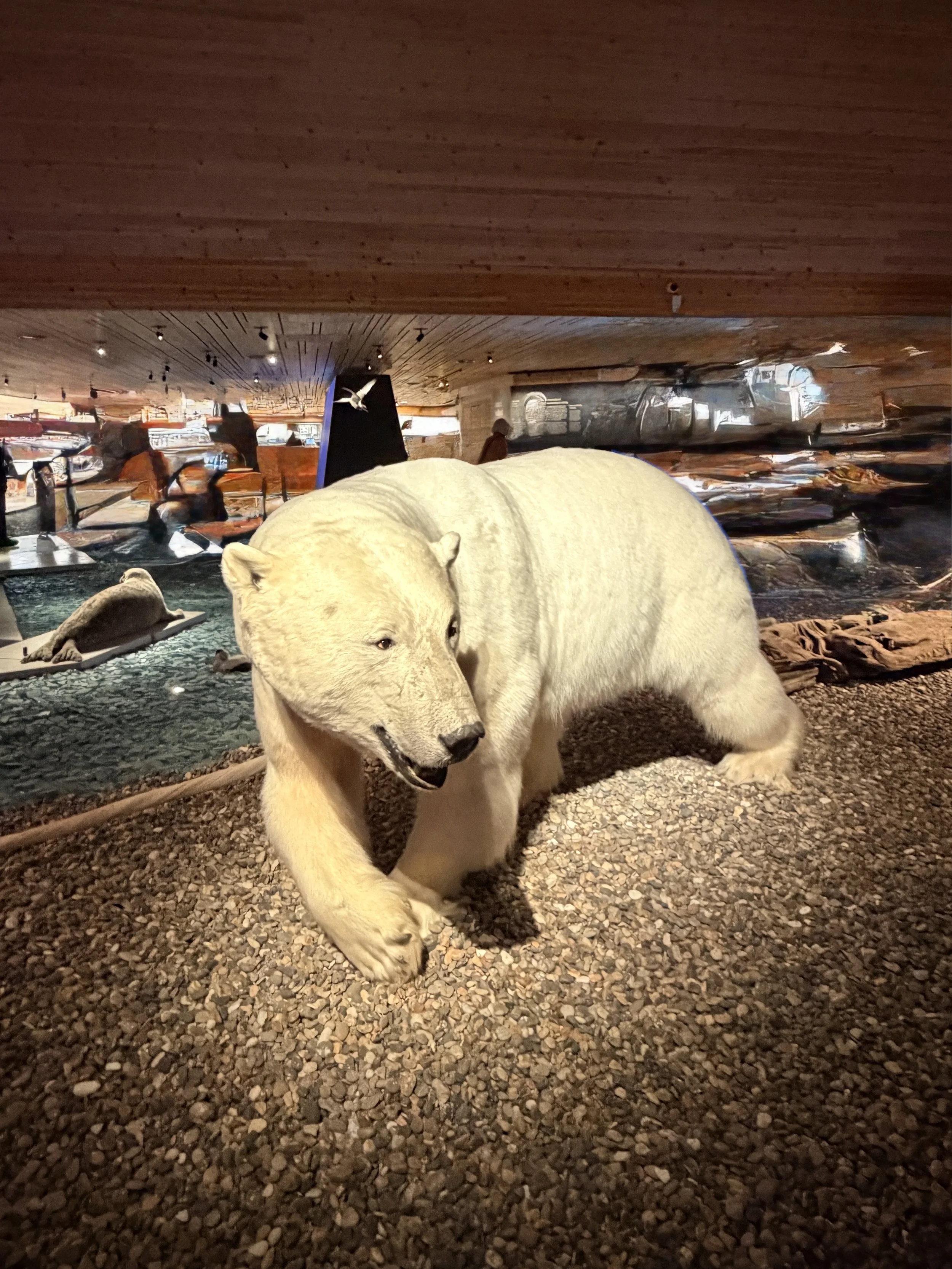
When most people think of Svalbard, one animal immediately comes to mind: the polar bear. And rightly so. Few creatures symbolize the Arctic more powerfully than Ursus maritimus, the world’s largest land predator.
Wildlife Watch
Wildlife sightings in Svalbard can never be guaranteed. Every encounter depends on weather, season, sea ice and, above all, patience. Sometimes the Arctic rewards you generously; sometimes it reminds you that nature follows its own rules…
The Svalbard and Barents Sea region is home to approximately 2,500 polar bears. Yet this magnificent predator is facing an uncertain future. Nowhere in the Arctic is sea ice disappearing faster than in this region, and with it, the bears’ natural hunting grounds are shrinking.
Built for the Ice
Everything about a polar bear is perfectly adapted to the life in the High Arctic. Beneath its seemingly white fur lies a dense insulating undercoat and black skin to absorb the sun’s warmth. Broad paws covered with tiny papillae provide grip on slippery ice, while powerful claws help capture their favourite prey: seals.
And adult male can weigh up to 800 kilograms, yet despite its enormous size, a polar bear moves across the sea ice with remarkable elegance.
A Changing Arctic
Sea ice is far more than frozen water. For polar bears, it is their hunting platform, breeding ground and highway. Without it, survival becomes increasingly difficult.
Researchers distinguish between two populations around Svalbard. Offshore, or pelagic, bears follow the drifting sea ice throughout the year. Coastal bears remain within the archipelago, where some have begun adapting to a rapidly changing environment by hunting reindeer more frequently than in the past.
This adaptation comes at a price. A single seal provides enough energy for about a week, whereas a polar bear may need to catch a reindeer almost every day to obtain the same amount of calories. It is one of the many visible consequences of climate change in the Arctic.
The Seals: The Foundation of the Arctic Food Chain
Where there are polar bears, there are usually seals. Ringed, bearded and harbor seals are among Svalbard’s most common marine mammals, each occupying its own ecological niche.
Ringed seals are particularly fascinating. They dig snow-covered birth lairs on top of the sea ice, protecting their pups from predators during the first vulnerable weeks of life. Bearded seals prefer drifting ice floes, while harbor seals are more commonly found resting on rocks along the coast.
Although seals may appear clumsy on land, they become remarkably agile underwater, diving hundreds of meters in search of fish and crustaceans. Watching them disappear effortlessly beneath the icy surface makes you realize how perfectly adapted they are to this environment.
Walruses: Gentle Giants
Another unforgettable Arctic resident is the walrus. At first glance, these massive animals seem almost prehistoric. Their impressive tusks are not only used for defense but also help them haul their heavy bodies onto the ice and search the seabed for shellfish and other invertebrates.
Despite their formidable appearance, walruses spend much of their time resting together on beaches or ice floes, creating surprisingly peaceful scenes.
The Atlantic puffin
The Clown Bird
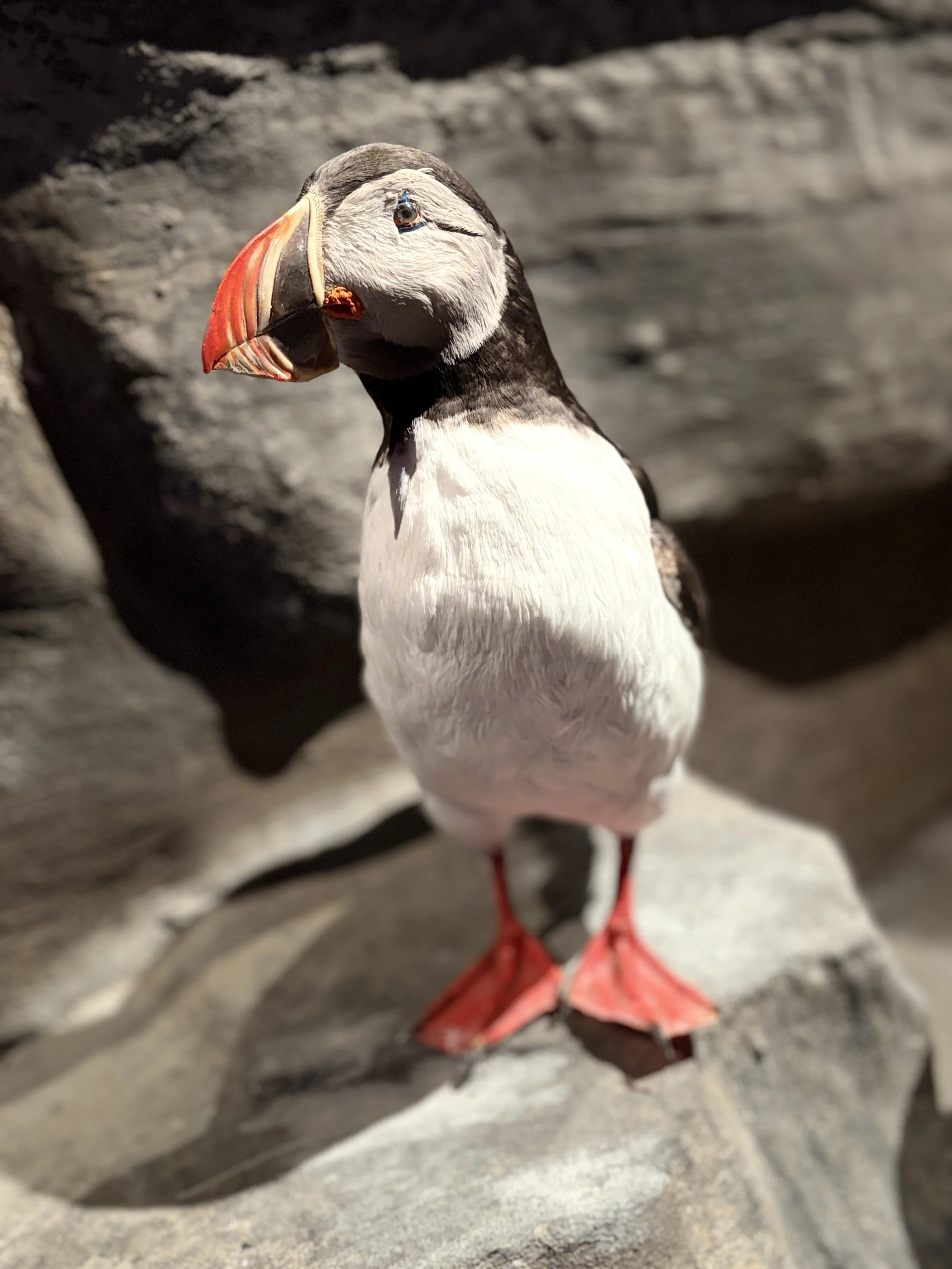
Atlantic puffins are capable of carrying up to 20 small fish in their bills at once. Thanks to specialized spines on their tongues and the roof of their mouths, they can keep each fish securely in place while catching the next one…
One animal I had secretly hoped to see was the Atlantic puffin. Few birds are as charming and instantly recognizable as the Atlantic puffin. With its colourful triangular bill, bright orange feet and distinctive black-and-white plumage, it has earned the affectionate nickname “the clown of the sea”. Despite its somewhat comical appearance on land, the Atlantic puffin is an extraordinary bird. It spends most of its life far out at sea, returning to land only during the breeding season. Under water, it transforms into an agile hunter, using its wings like flippers to “fly” through the water in pursuit of small fish such as sand eels and capelin. Unfortunately, luck was not on my side this time. Like so much in the Arctic, wildlife sightings cannot be planned-they remain a privilege rather than a guarantee. And perhaps that uncertainty makes every encounter even more special.
What Surprised Me Most
Before travelling to Svalbard, I had imagined a remote Arctic outpost populated almost exclusively by Norwegians. I could not have been more wrong.
One of my biggest surprises was how international Longyearbyen is. Most people working in tourism come not from Svalbard itself, but from mainland Norway or from countries all over the world. During my stay, I met people from Switzerland, Thailand and many other places, each with their own story of how they had ended up living at the edge of the Arctic.
My Swiss guide, Sophie, explained that many Norwegians prefer careers outside tourism industry, creating opportunities for people from abroad. Some seasonal workers spend the summer in Svalbard before moving south to Tromsø for the winter, only to return the following year.
A Taste of Thailand in the High Arctic
One thing I certainly did not expect to find was a well-stocked Thai supermarket and an excellent Thai restaurant. Curious, I ordered a Thai milk tea and started chatting with the owner.
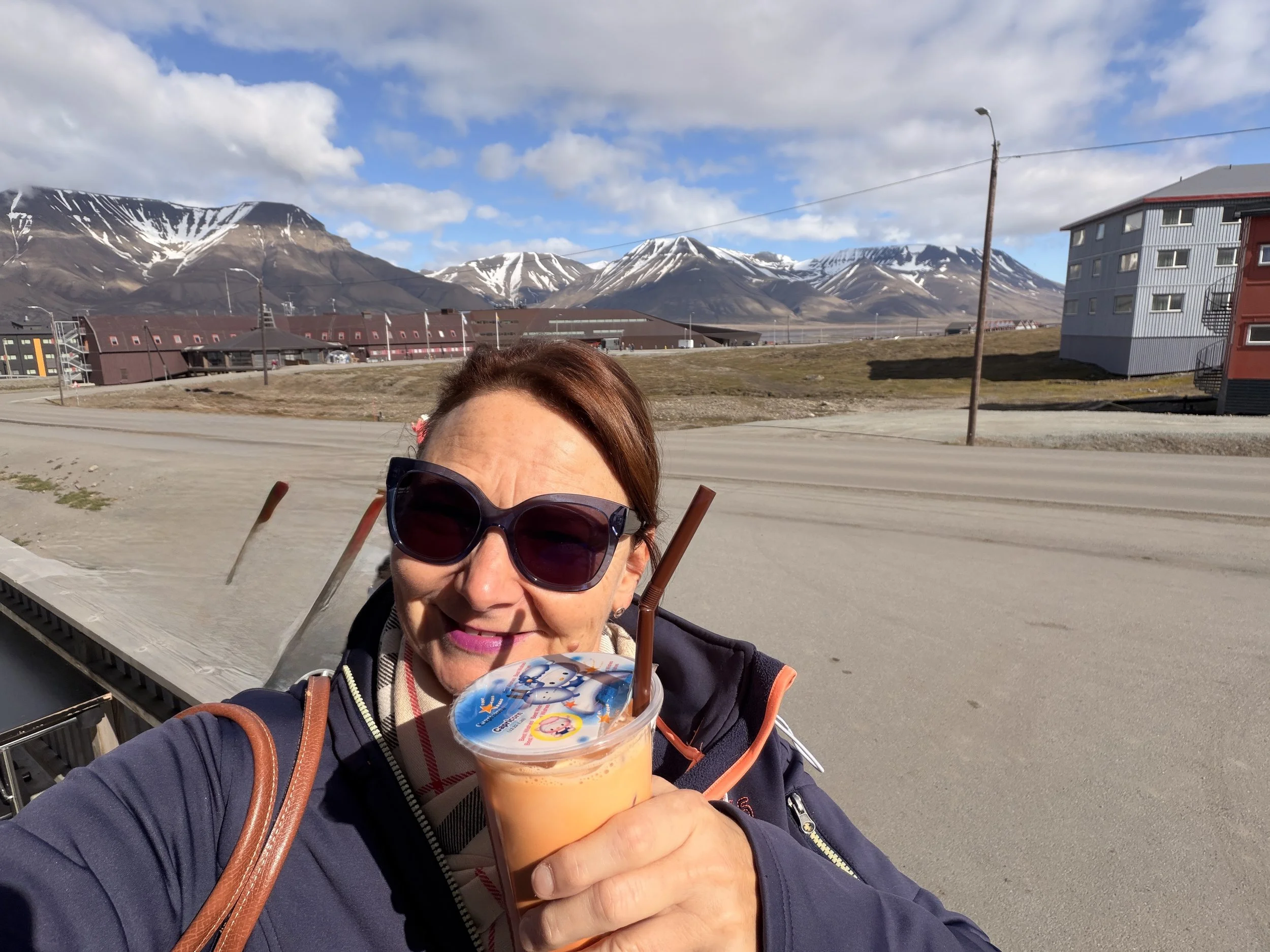
I asked whether it had been difficult to adapt to life in such a remote place. She smiled and admitted that the beginning had been challenging. But today, she told me, Svalbard feels like home.
Moments like these remind me that every destination is shaped as much by its people as by its landscapes.
Life in Winter
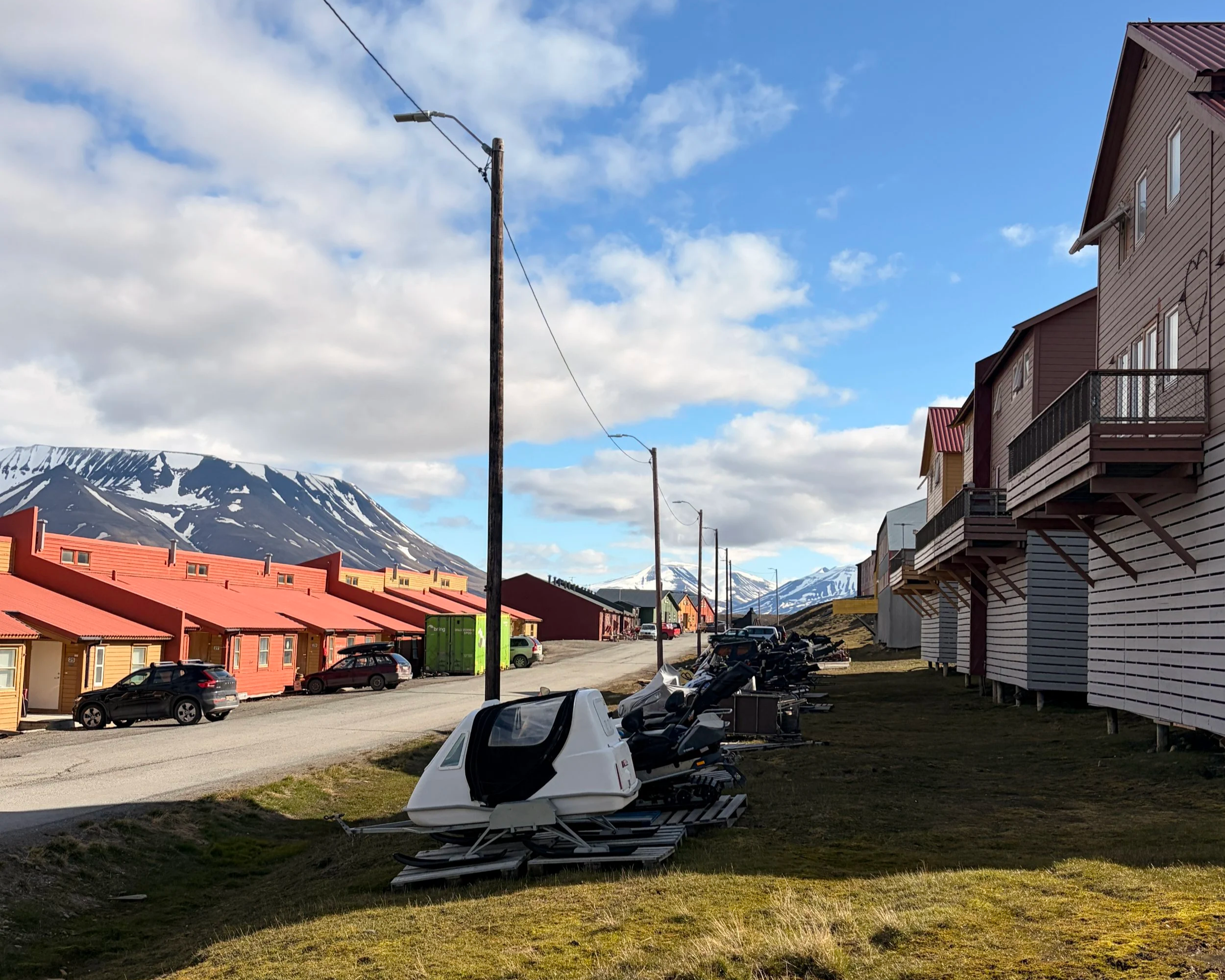
Another striking sight was parked outside almost every house: a snowmobile. Alongside skis and other winter equipment, it revealed just how completely everyday life changes once winter arrives. Roads become less important, and snow becomes part of daily life for many months of the year.
Travel Tip
Dress in layers-even during summer. Arctic weather can change within minutes, and temperatures on the water often feel much colder than they appear on the thermometer…
Longyearbyen: Not What I Expected
If I am completely honest, Longyearbyen itself was not what I had imagined.
The town still looks very much like what it once was-a coal mining settlement. Functional rather than beautiful.
At first, I found it surprisingly unattractive. But the longer I stayed, the less it seemed to matter. Beyond the town begins one of the most spectacular landscapes I have ever experienced. Towering mountains, glaciers and endless open spaces quickly make you forget the simple buildings below.
The Wildlife I Didn’t See
Like many visitors, I secretly hoped to see a polar bear. Or at least an Arctic fox.
Neither appeared.
Instead, I watched two white beluga whales quietly surface beside our boat. We spotted several reindeer grazing peacefully along the shoreline and countless seabirds circling above the cliffs.
No polar bear. No Arctic fox. No puffins.
Surprisingly, I did not feel disappointed. Nature does not perform on demand. Perhaps that is exactly what makes evey encounter so meaningful.
How Did I Feel?
Despite the cold, I felt completely at ease.
People were welcoming, the museums were excellent, and everywhere I went I learned something new-about Arctic wildlife, polar exploration, climate change and the remarkable history of the islands.
For me, Svalbard was much more than a destination. It was a place of discovery, curiosity and perspective.
Practical Information:
When to Visit
The best time to visit Svalbard depends entirely on what you hope to experience.
Summer (May to August) offers 24-hour daylight, excellent opportunities to observe wildlife, and ideal conditions for boat trips and hiking.
Winter (November to February) is the season of the Polar Night and the Northern Lights. It is also the best time for snowmobile tours and dog sledding.
Spring (March and April) is often considered the perfect compromise, combining snow-covered landscapes with increasing daylight.
Getting There
Despite its remote location, Svalbard is surprisingly easy to reach.
Most visitors fly via Oslo or Tromsø to Longyearbyen. During the summer months, expedition cruises also include Svalbard on their itineraries, offering a completely different perspective of the Archipelago.
Costs
Although Svalbard is exempt from Norwegian VAT, don’t expect a budget destination.
Accommodation, organized excursions and dining are expensive, reflecting the high costs of operating in such a remote environment. On the other hand, outdoor clothing and equipment are often of excellent quality.
What Not to Miss
If you only have a few days, I would recommend:
· the Svalbard Museum
· a boat trip through Isfjorden
· a guided wildlife excursion
· walking around Longyearbyen
· visiting Husky Café
· browsing the outdoor equipment shops
· enjoying surprisingly good Thai food
Don’t rush your visit. Svalbard is not a place to tick off attractions-it is a place to experience.
A Seasoned Reflection
Before coming to Svalbard, I expected spectacular scenery, glaciers and perhaps a glimpse of a polar bear. I found all but one of those things.
What I had not expected was the overwhelming feeling of humility. Standing in a landscape where nature still sets the rules changes your perspective. Suddenly, everyday concerns seem remarkably small.
Svalbard does not ask you to conquer it. It asks you to respect it.
Perhaps that is why this journey will stay with me for a very long time-not because I travelled farther north than ever before, but because I was reminded how extraordinary our planet still is.
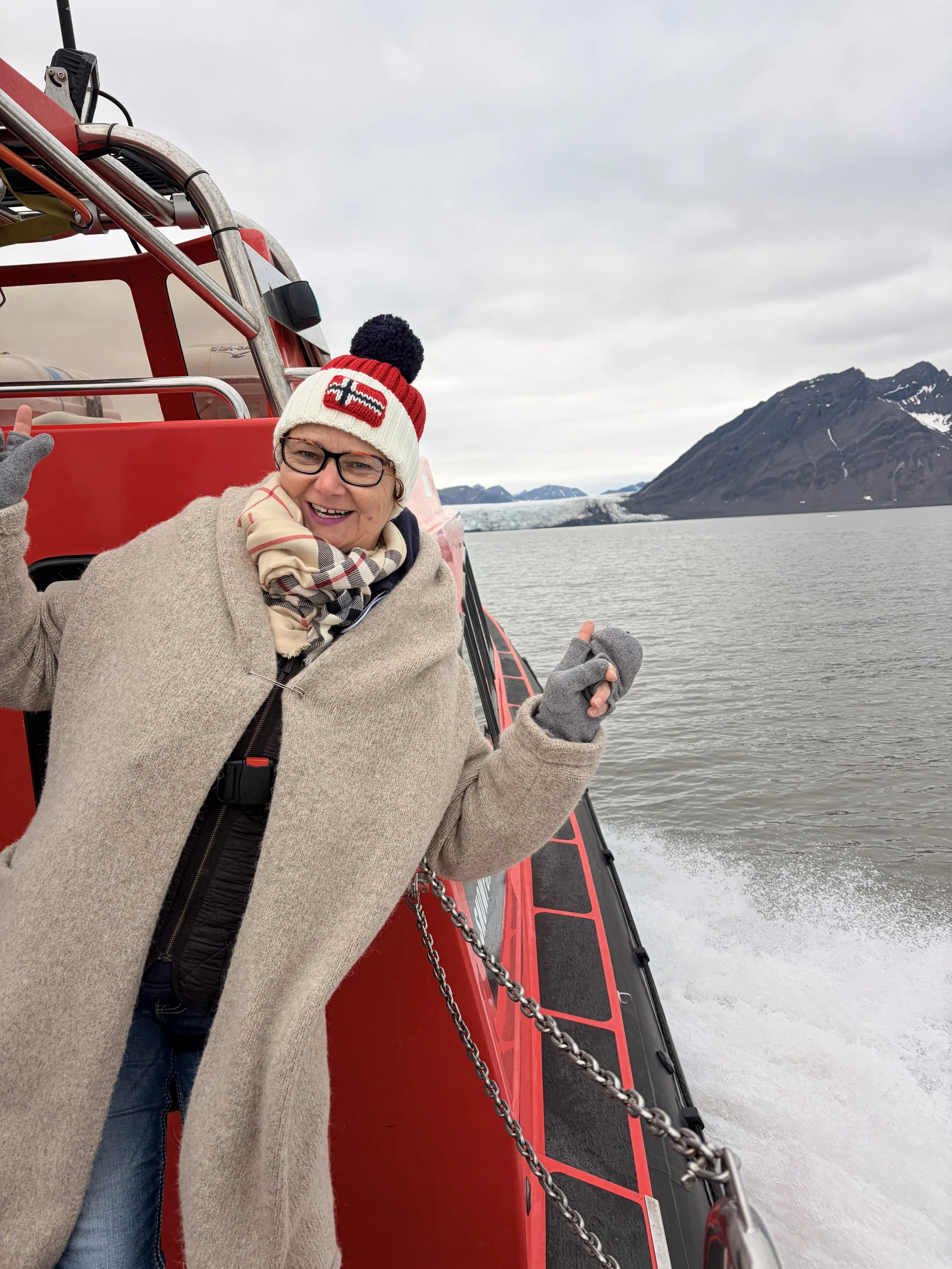
Every journey leaves footprints. The most important ones are the ones it leaves within us!
Sources &Further Reading
Information for this article was gathered from personal travel experiences, local museums and guides, as well as publicly available information provided by institutions as the Norwegian Polar Institute, the Governor of Svalbard, Visit Svalbard and other official publications.